Your Data Is Being Used to Make Predictions About You. Here’s What That Means
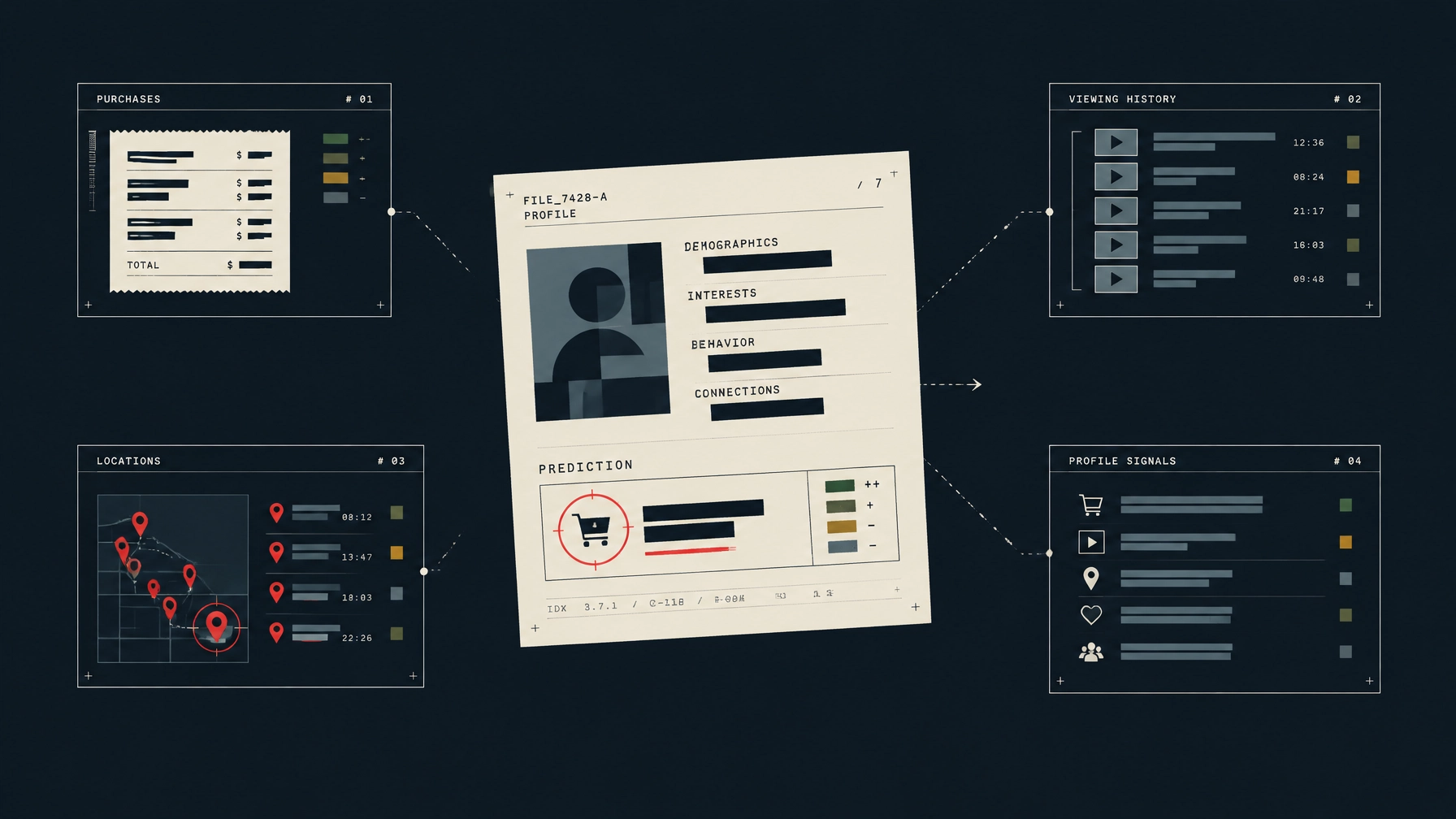
A company you have never heard of may hold a guess about your income, your health, or whether you are about to move. That guess is an example of profiling: drawing conclusions from data rather than simply storing it.
The guess may come from bits of information collected across different places. It may be incomplete or wrong. Still, a profile can shape what messages, offers, or other information a business decides to show you.
How a profile gets built
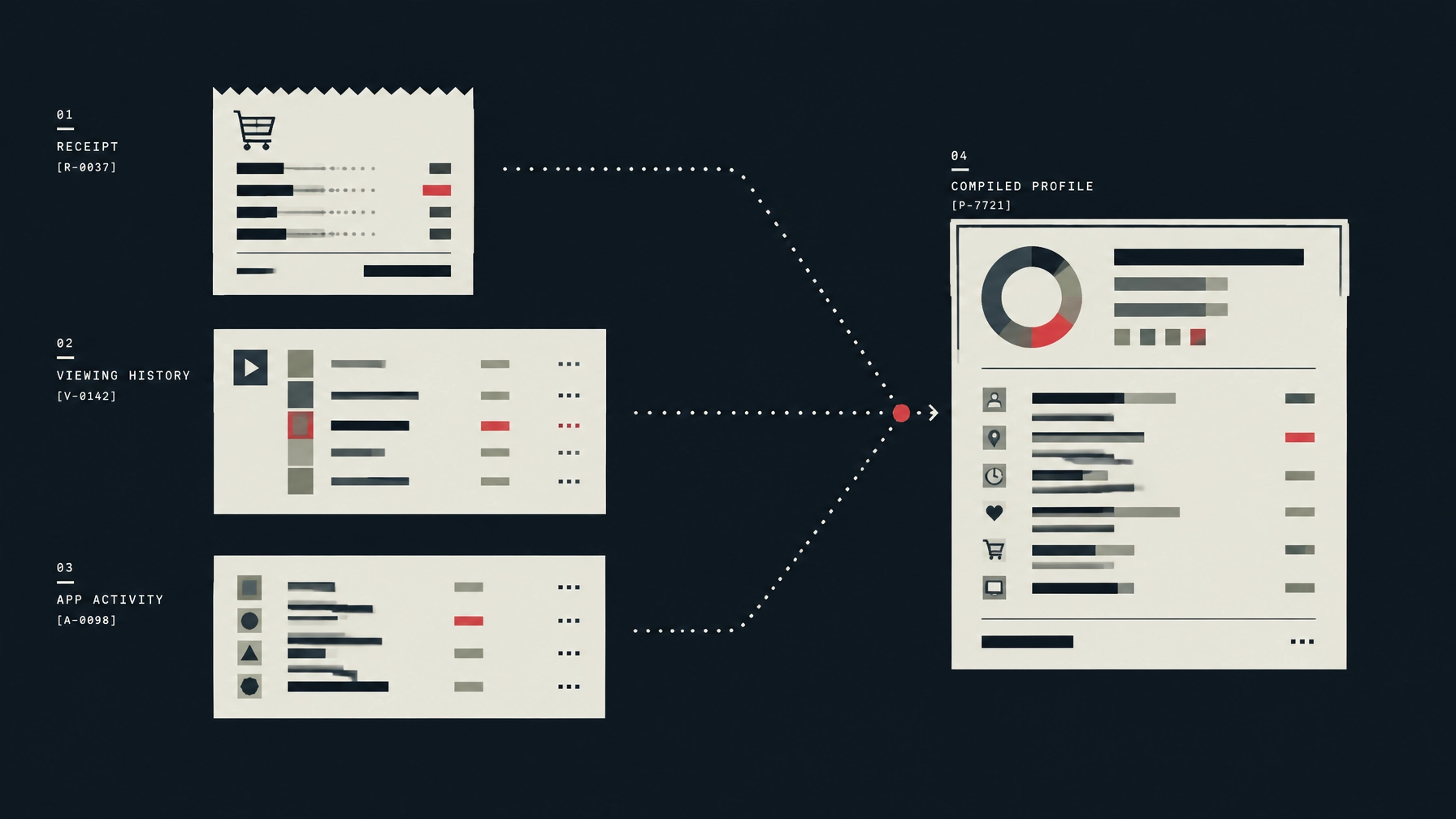
A profile can begin with information from businesses and services you use. A grocery retailer may collect purchase history. A streaming service may collect viewing or playlist data. Apps may gather information about your activity or location, depending on their practices and your settings.
Data brokers can also collect information from public records and trade data with other companies. CalPrivacy defines a data broker as a business that gathers and sells consumer information the consumer did not give it directly.
Each source adds a piece. The value for a broker or buyer may come from combining those pieces to build a broader picture. A shopping pattern, for example, may be considered alongside other information to make an estimate about a person’s interests or likely needs.
What data brokers may infer
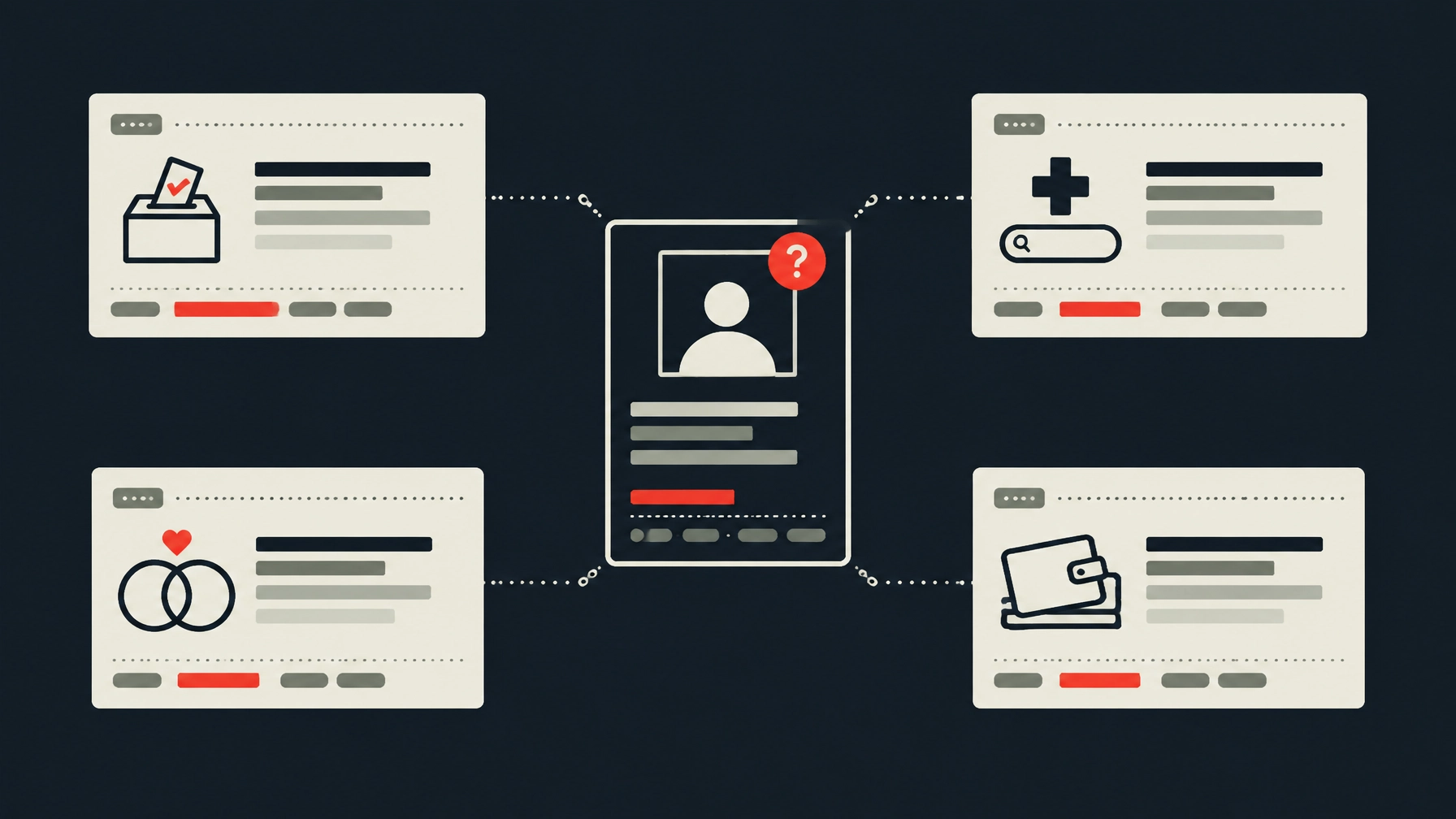
CalPrivacy says some data brokers can infer information about people when they process data. Its examples include:
- Political views.
- Health-related history, such as searches about pregnancy, reproductive health, cancer, or diabetes.
- Family and relationship details, such as whether someone has children or is married.
- Financial habits or status, such as debt, creditworthiness, or how much someone might be willing to pay for a product.
These are examples of categories a privacy regulator describes. They do not mean that every broker makes every inference about every person. And an inference is a conclusion, not proof. It may be wrong, outdated, or based on an incomplete match.
CalPrivacy explains what data brokers collect and may infer.
Why an inference can count as personal information
An inference may not look like a name, email address, or phone number. But under California’s privacy law, inferences drawn from personal information count as personal information.
CalPrivacy says those inferences are subject to deletion for data brokers that match your record. So an inference is not automatically outside the scope of a deletion request simply because it was generated from other information.
That does not mean every request removes every piece of information everywhere. California’s DROP program lets eligible residents submit a request to participating data brokers. The result depends on whether a broker matches the person and on the information and rules that apply. Information you gave directly to a business is not deleted through DROP just because you submit a DROP request. If a broker bought that information, CalPrivacy says it is subject to deletion through the program.
How predictions may be used
Businesses may use profiles to group people into marketing segments or decide which ads and offers to show. An estimate about interests or shopping habits can help a marketer choose an audience. CalPrivacy also notes that some brokers may infer how much someone might be willing to pay for a product. That does not mean every business uses such an estimate to set an individual price.
Some data may be packaged into categories that businesses use to assess likely interests or financial characteristics. CalPrivacy lists advertisers, marketers, retailers, employers, recruiters, landlords, political campaigns, and debt collectors among possible buyers of broker data. It also warns that data may be sold to buyers with malicious intent, including scammers.
There is an important distinction around eligibility decisions. When a business uses a consumer report to help decide whether you qualify for credit, employment, or housing, consumer reporting laws such as the Fair Credit Reporting Act may apply, including rights to dispute information. That process is different from an ordinary people-search listing. A people-search result by itself is not the same thing as a regulated consumer report.
Why accuracy is difficult to check
Profiles are built from partial information. Records can be old, incomplete, or matched to the wrong person. An inference based on those records can carry the same problems forward.
You may not be able to see what a broker has inferred about you. A listing on a people-search site may show some personal details, but it may not reveal the full profile or the conclusions a company has drawn. That makes it difficult to identify and correct an inaccurate assumption.
What you can do
You cannot control every source or every use of data. You can take practical steps to limit some exposure:
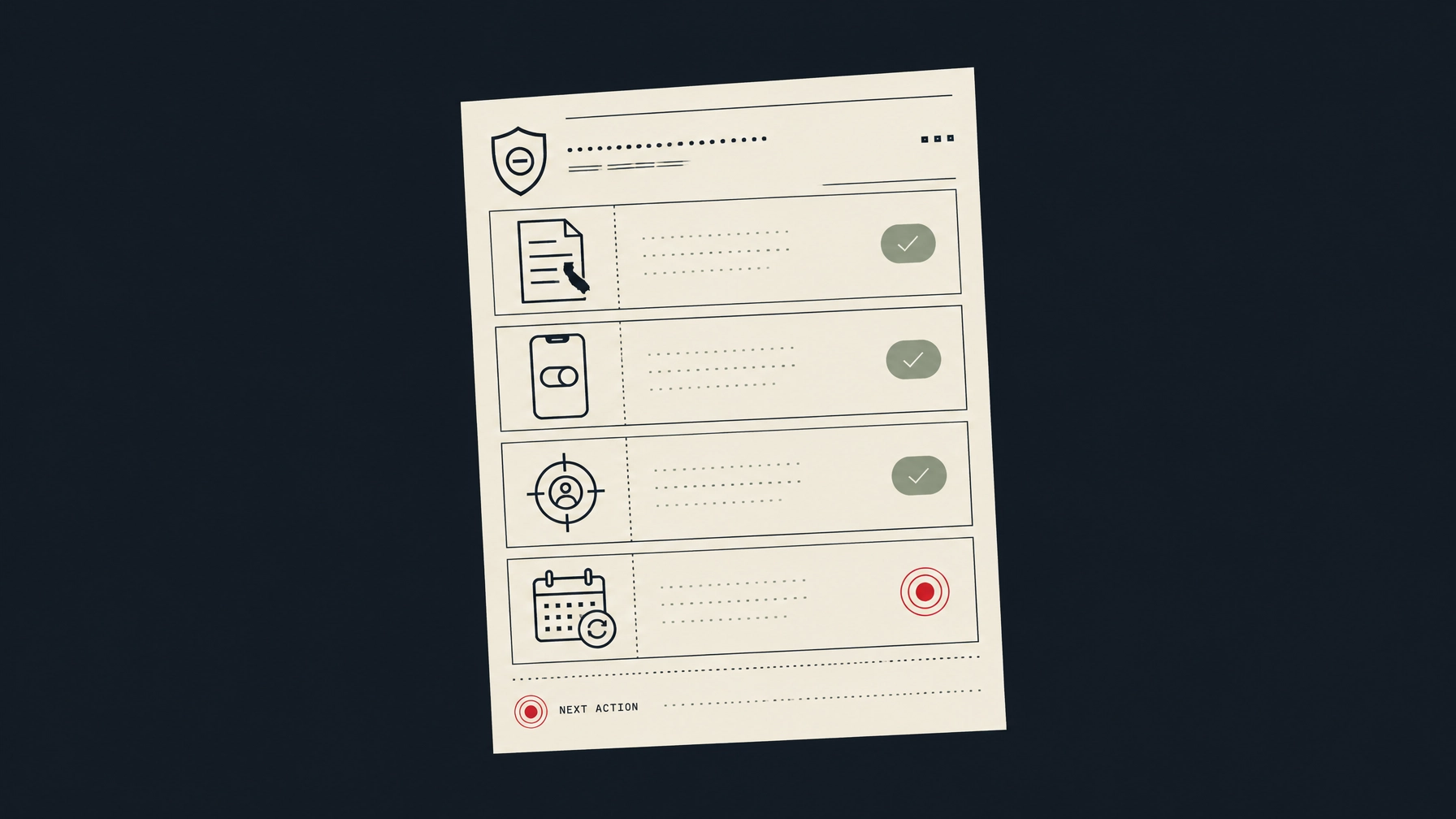
- Use the deletion or opt-out options available to you. California residents can learn about DROP. In other states, rights and processes vary. Some brokers provide individual opt-out forms. Our privacy guides cover steps for supported sites.
- Review what you share with businesses. Where the tradeoff works for you, limit loyalty-program or account data sharing. Check app permissions and turn off access that is not needed.
- Review ad-tracking settings. Your browser, device, and individual services may offer controls. Their effect varies, and they do not stop every kind of data collection or profiling.
- Check what appears publicly and re-check over time. Listings can return, and information may change. A later check can show whether a monitored source has a public match.
Opting out can reduce exposure. It does not stop all profiling, remove information held by every company, or guarantee that a broker will never create another inference.
Check your public exposure
TraceKill’s free scan checks monitored data-broker and people-search sources for likely profile matches. It can help you see what may be publicly exposed on those sources. Results and coverage vary, and the scan does not reveal every private profile or inference a company may hold.
You can start a free scan. If you want more help, TraceKill’s $9.99 removal guide explains supported opt-out steps. The $8/month monitoring plan offers help with supported opt-out requests and monthly re-checks where public verification is available. Listings can reappear, so re-checks matter. TraceKill checks and helps with supported requests; it does not promise to remove every listing or inference.
For details about the service, visit TraceKill.
Last verified: November 2026. Broker opt-out processes change often — confirm the current steps on the live page before relying on them.
Free scan — no account required
This is one site. There are hundreds more.
Run a free scan to see which monitored sources list you — no card, no account, results in real time as each broker reports back. Do the opt-outs yourself with our guides, or let us file them for you on a paid plan and re-check month after month. We'll never tell you we erased you from the internet.
No credit card · No account · AES-256 encrypted
Keep going
What Happens to Someone’s Personal Information After They Die?
After a death, families are already handling paperwork and practical decisions. Then a search of the person’s name may bring up social profiles, people-search listings, old addresses, or photos. These can remain online because accounts stay open, data brokers retain profile information, and public records generally remain available. Some of this information can be addressed.…
Selling Your Home? Your Old Address Could Remain Online Long After the Sale
You sold the house, moved, and months later a search of your name still shows the old street. That can happen because a sale creates public records, and other websites may copy or combine information from them. You can take steps to address some of those online copies. The right step depends on where the…
A Data Broker Rejected Your Removal Request. Here’s What to Do
You submitted an opt-out request, received a rejection, or heard nothing back. The listing is still there. That does not always mean you are out of options. Most rejected opt-out requests fall into four categories. The first three are often fixable with a careful follow-up. The fourth may not be: a site might have a…