Start Here
If you're new to this, start with the pillar guide. It covers what data brokers are, what you can realistically remove, and what to expect when listings come back.
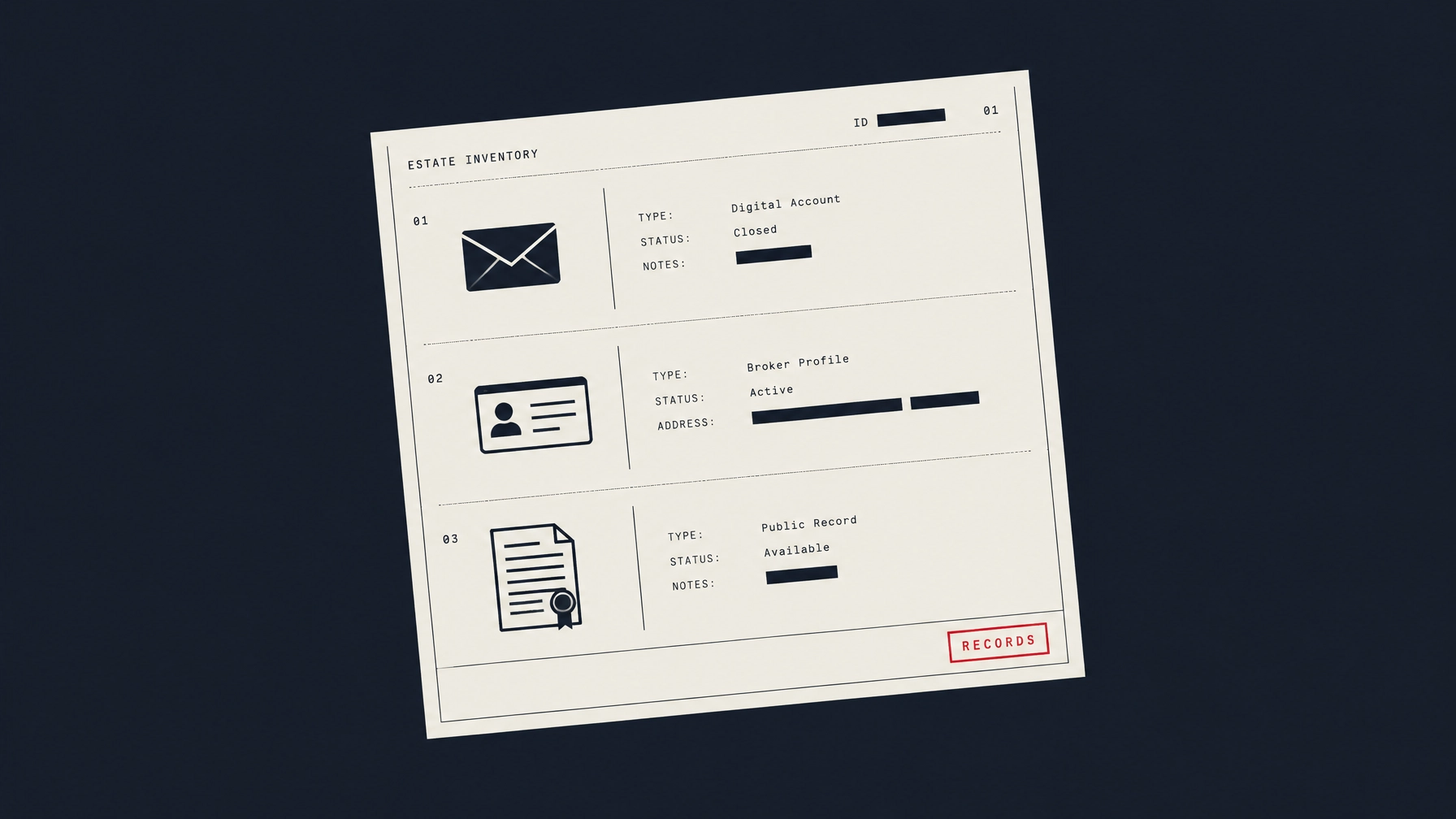
What Happens to Someone’s Personal Information After They Die?
After a death, families are already handling paperwork and practical decisions. Then a search of the person’s name may bring up social profiles, people-search listings, old addresses, or photos. These can remain online because accounts stay open, data brokers retain profile information, and public records generally remain available. Some of this information can be addressed.…
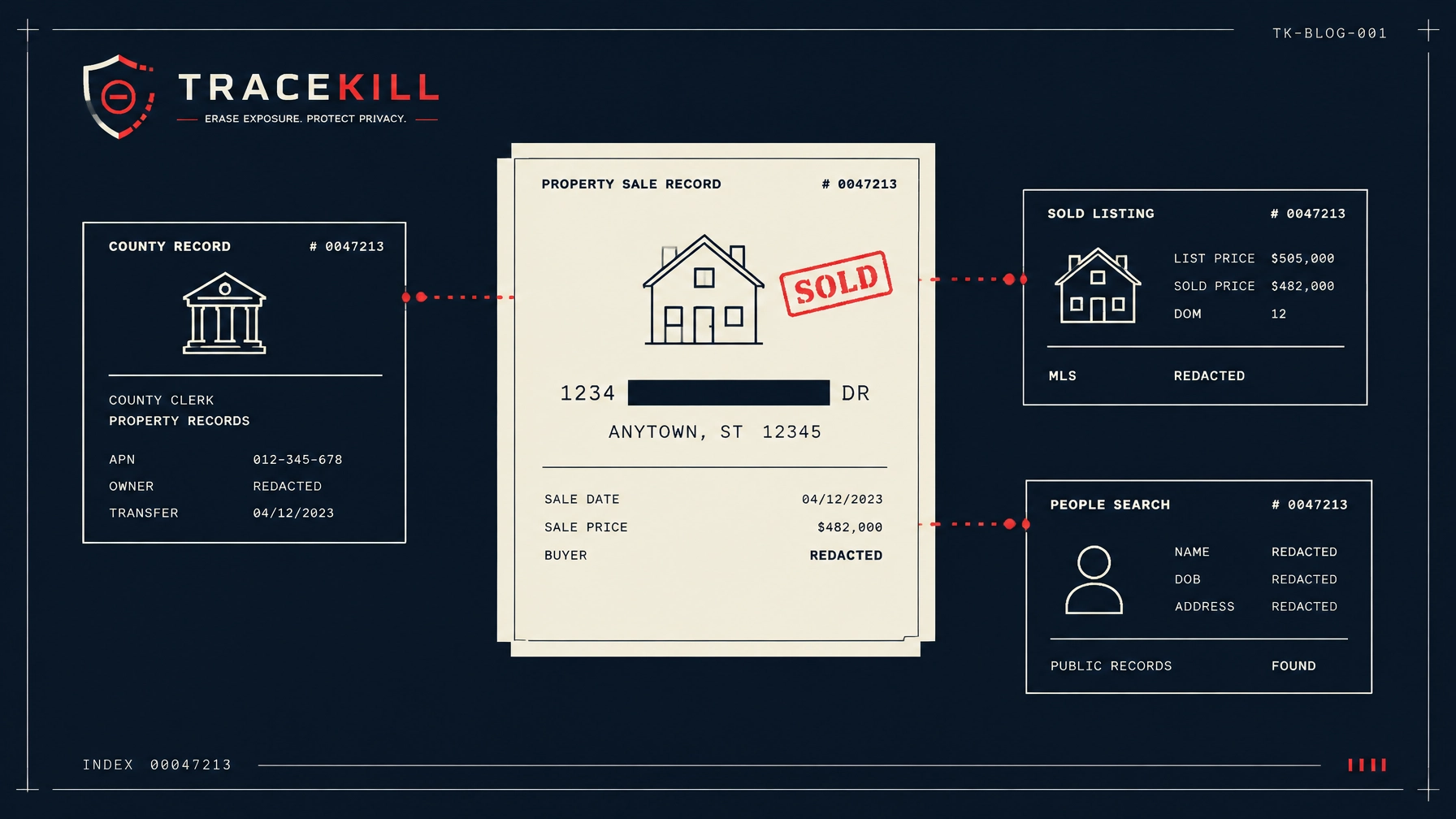
Selling Your Home? Your Old Address Could Remain Online Long After the Sale
You sold the house, moved, and months later a search of your name still shows the old street. That can happen because a sale creates public records, and other websites may copy or combine information from them. You can take steps to address some of those online copies. The right step depends on where the…
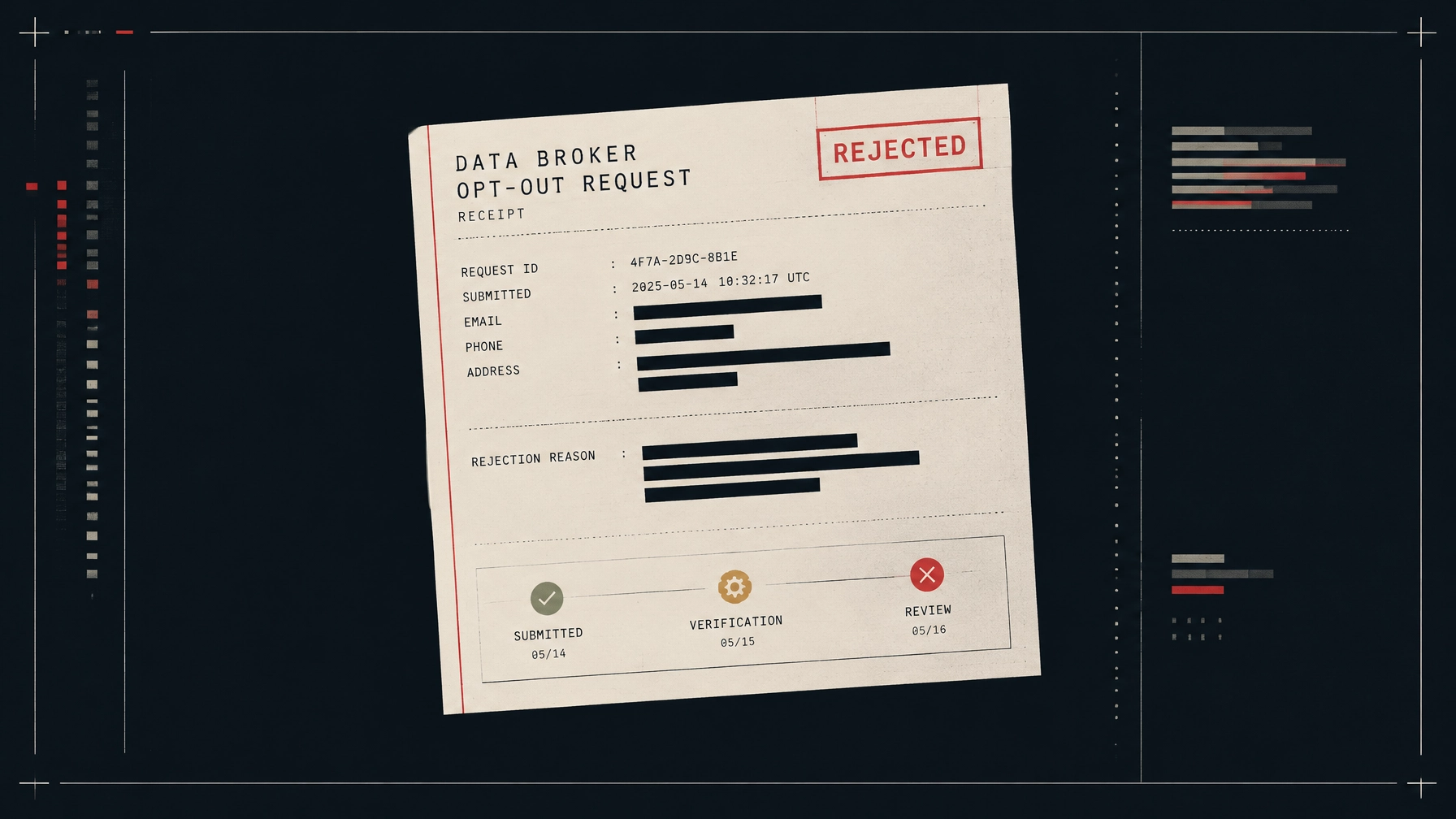
A Data Broker Rejected Your Removal Request. Here’s What to Do
You submitted an opt-out request, received a rejection, or heard nothing back. The listing is still there. That does not always mean you are out of options. Most rejected opt-out requests fall into four categories. The first three are often fixable with a careful follow-up. The fourth may not be: a site might have a…
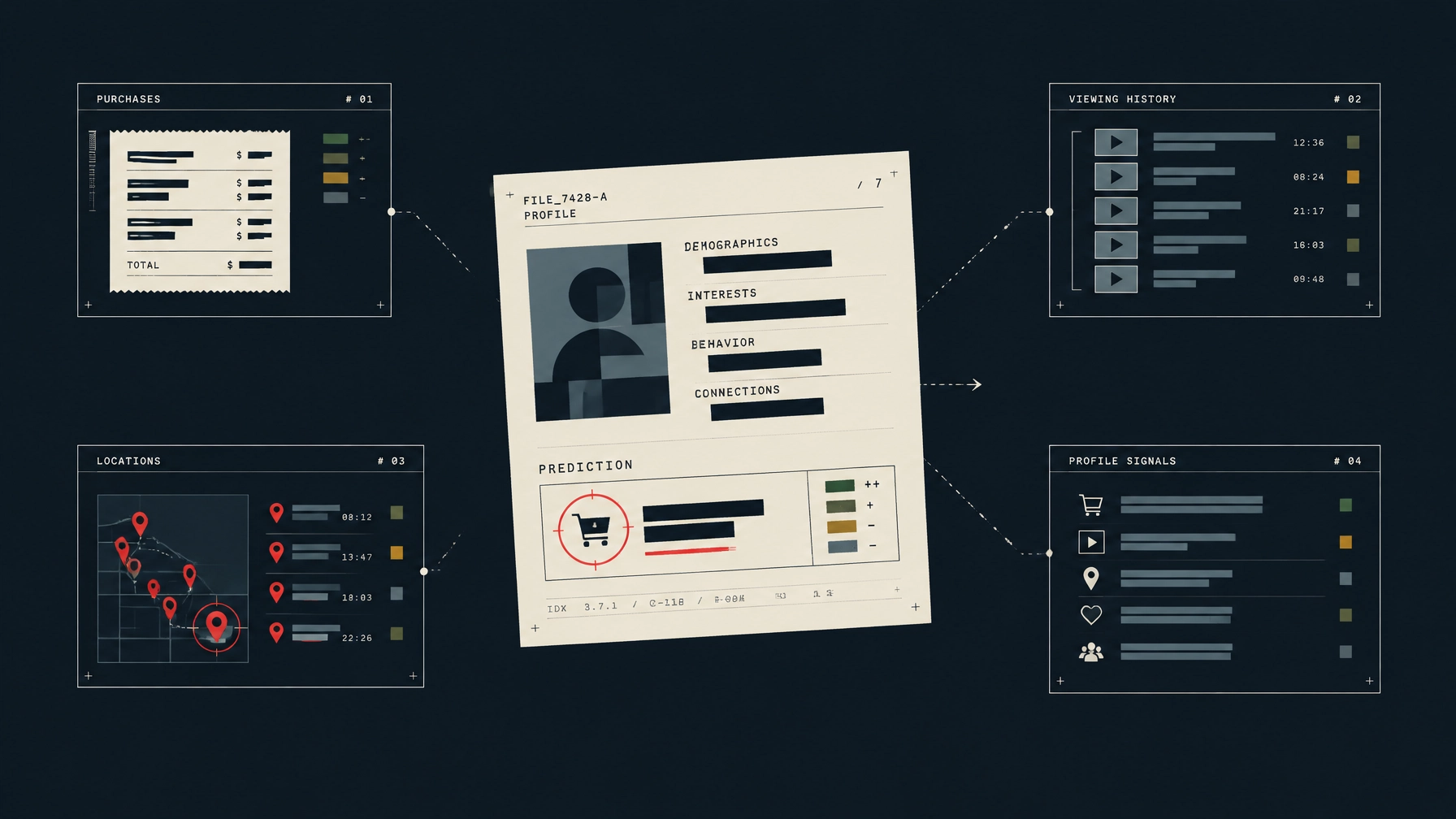
Your Data Is Being Used to Make Predictions About You. Here’s What That Means
A company you have never heard of may hold a guess about your income, your health, or whether you are about to move. That guess is an example of profiling: drawing conclusions from data rather than simply storing it. The guess may come from bits of information collected across different places. It may be incomplete…
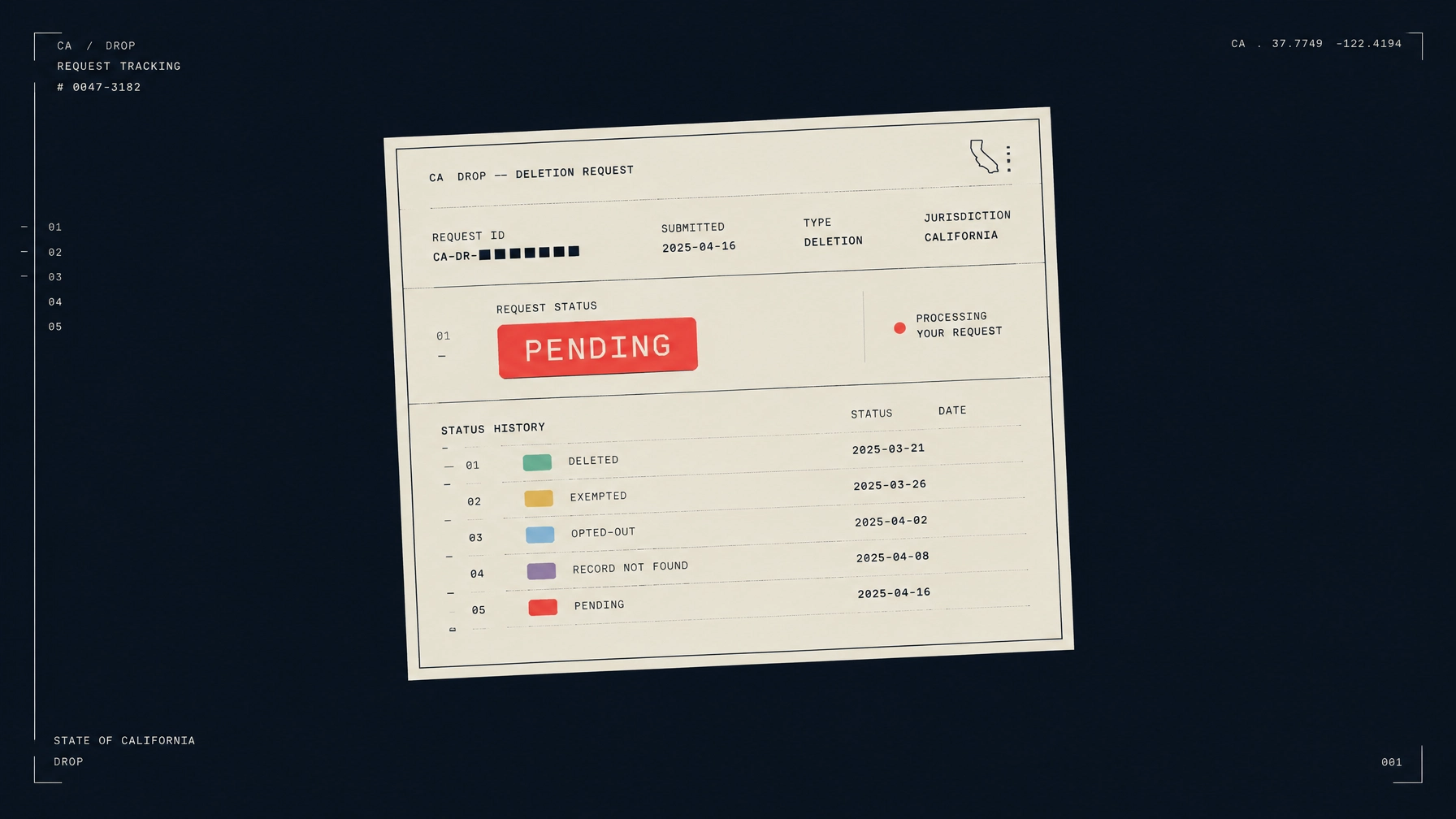
Submitted a California DROP Request? Here’s What Happens Next
You submitted a California DROP request, received a DROP ID, and now the status screen says “pending.” That can be normal. Here’s what each California DROP request status means, when to check again, and what you can do if a broker could not match your information. DROP is California’s Delete Request and Opt-out Platform. It…
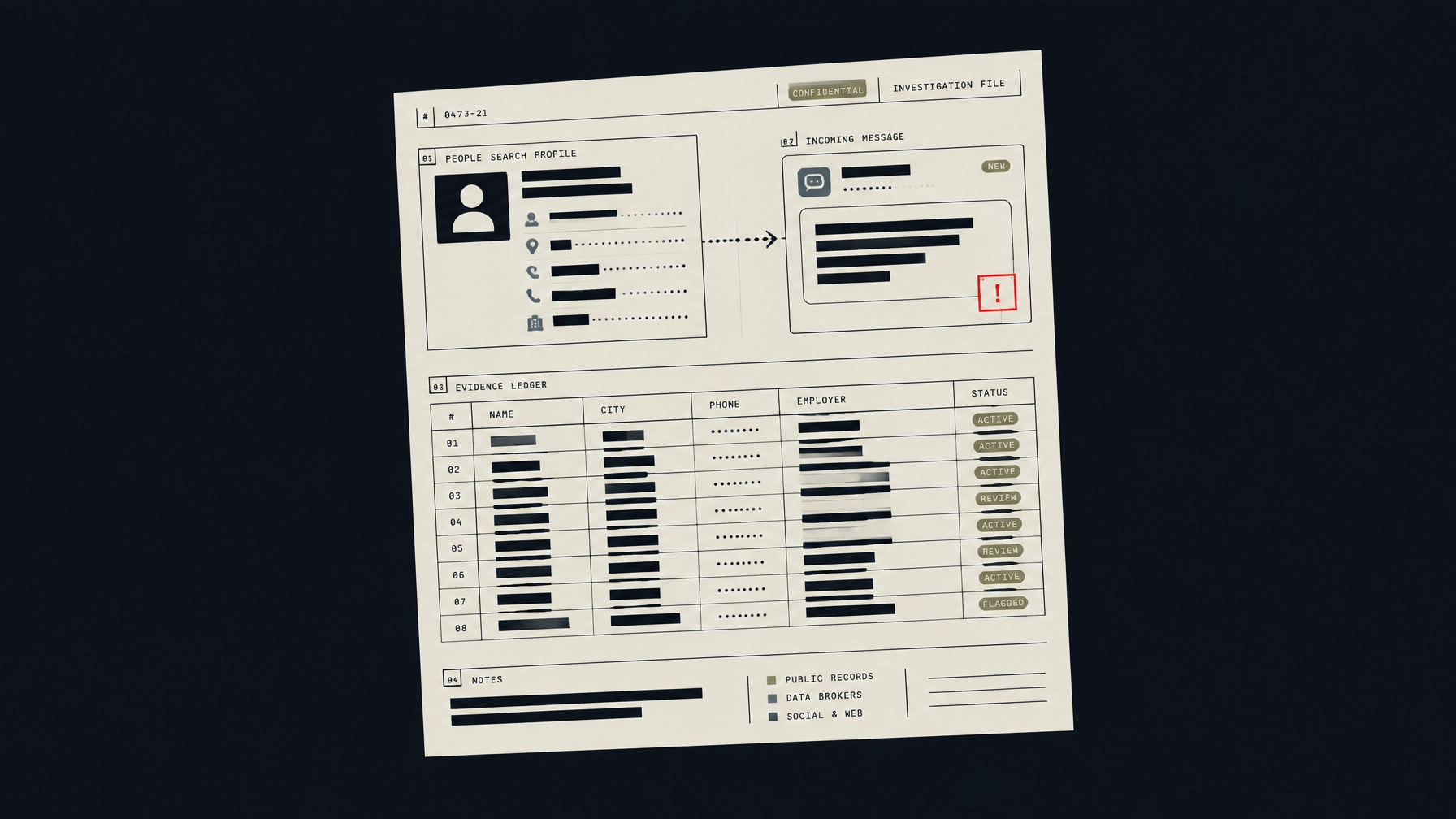
How Much Does a Scammer Already Know About You Before They Contact You?
A text arrives using your name and city. A caller mentions your employer, a family member, or a recent purchase. The details may be real, but that does not prove the person contacting you is who they claim to be. Some of what a scammer knows may be public. People-search sites and data brokers can…
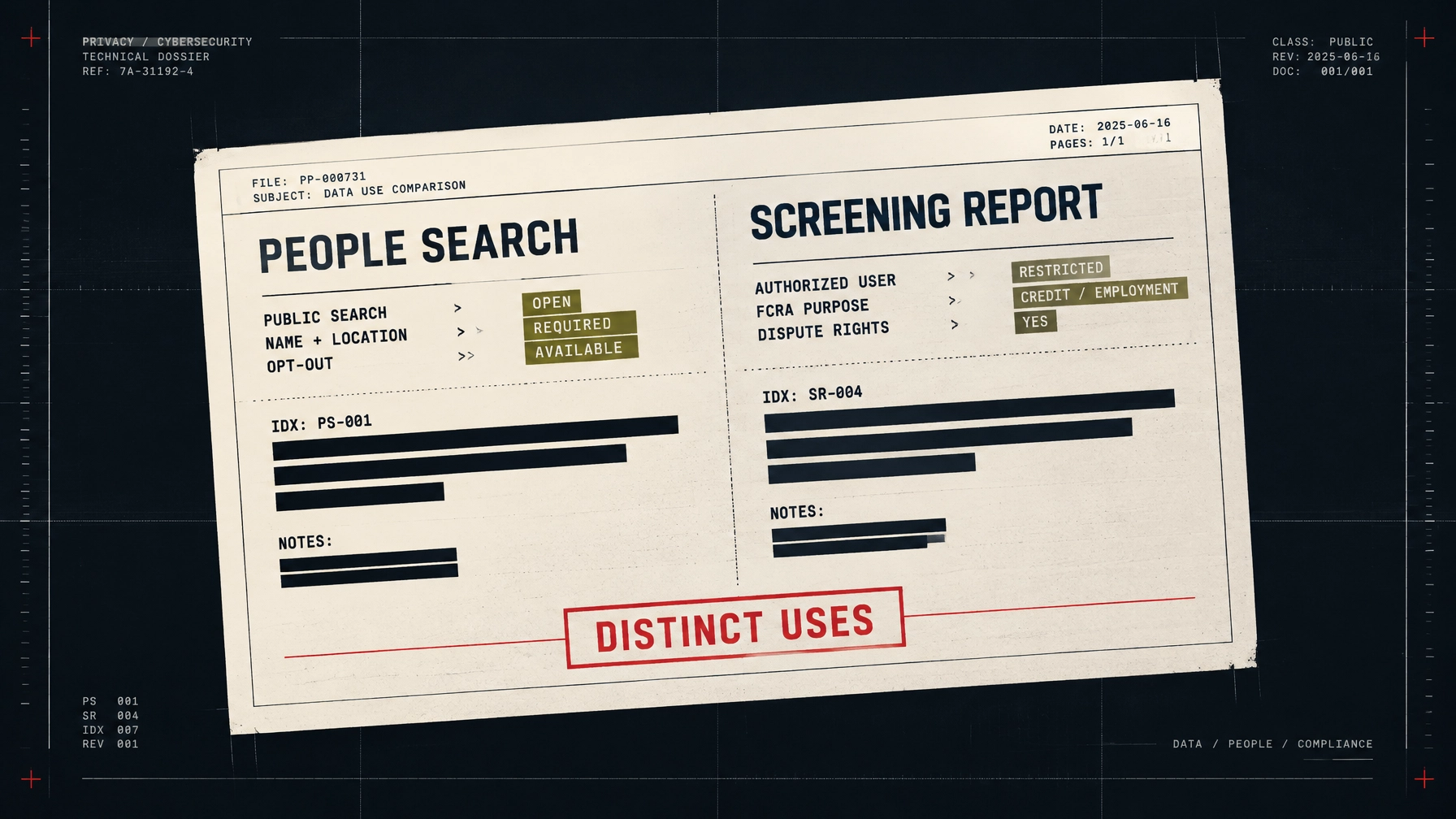
People Search Sites vs. Background Check Websites: Are They Actually the Same Thing?
You searched your name and found websites offering “background reports.” Are those the same reports an employer or landlord might use? Usually not. People-search sites and regulated background-screening services can show overlapping information, but they are generally built for different purposes, and different rules may apply. Knowing which kind of report you are looking at…
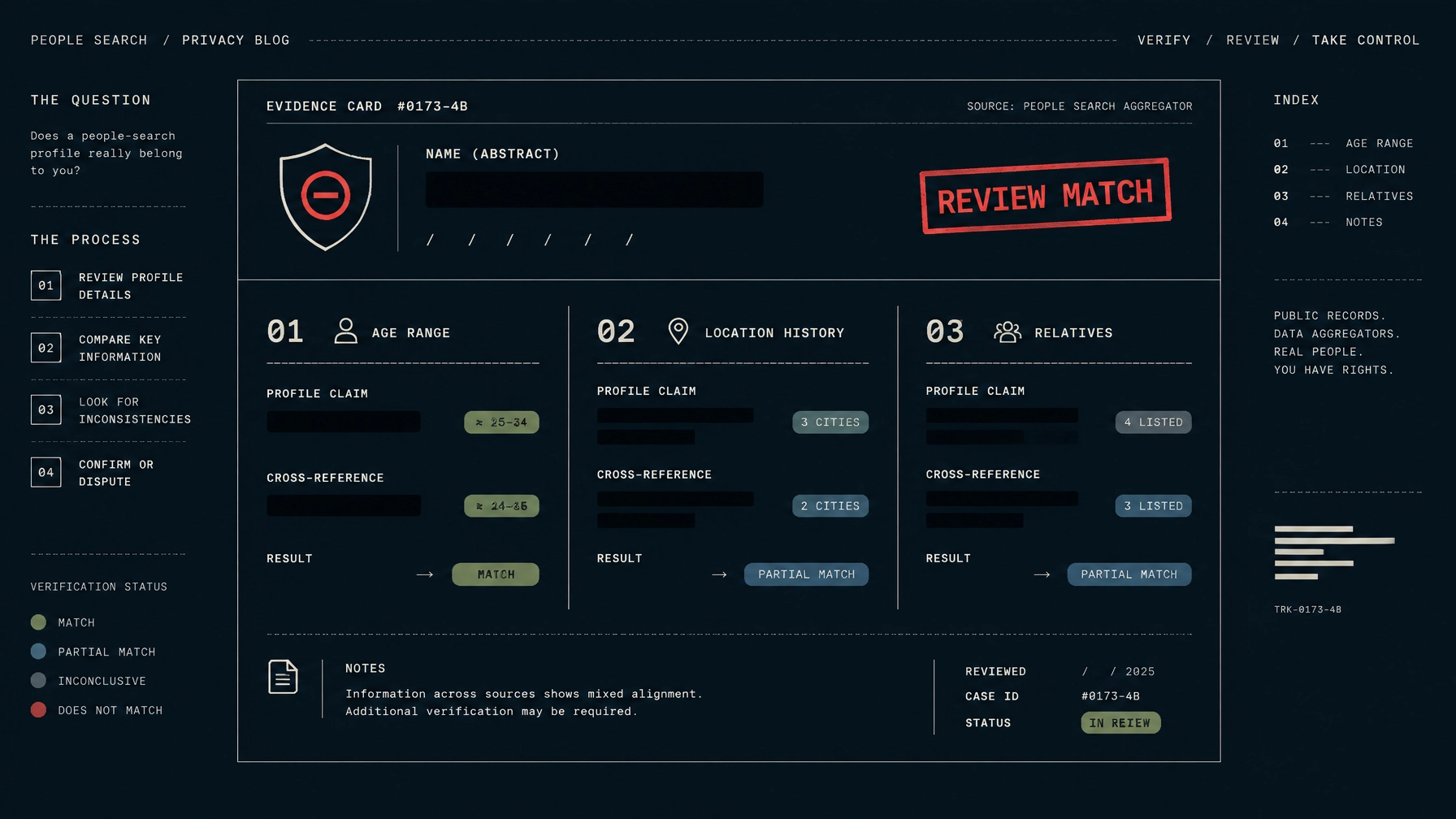
Someone With Your Name Has an Online Profile. How Do You Know It’s Really You?
You search your name and find a people-search profile that looks familiar. But does it actually describe you, or someone who shares your name? Name matches are clues, not proof. Before you ask a site to remove a listing, compare several details and make sure you have the right profile. That can save you time…
Why Do You Keep Getting Spam Calls? Your Phone Number Might Be Listed Online
Your phone rings again. It is an unfamiliar number, and you are not sure whether to answer. One possible reason for unwanted calls is that your phone number is listed online on a people-search site or in a data broker profile. That is worth checking, but it is only one possible source. Spam calls can…
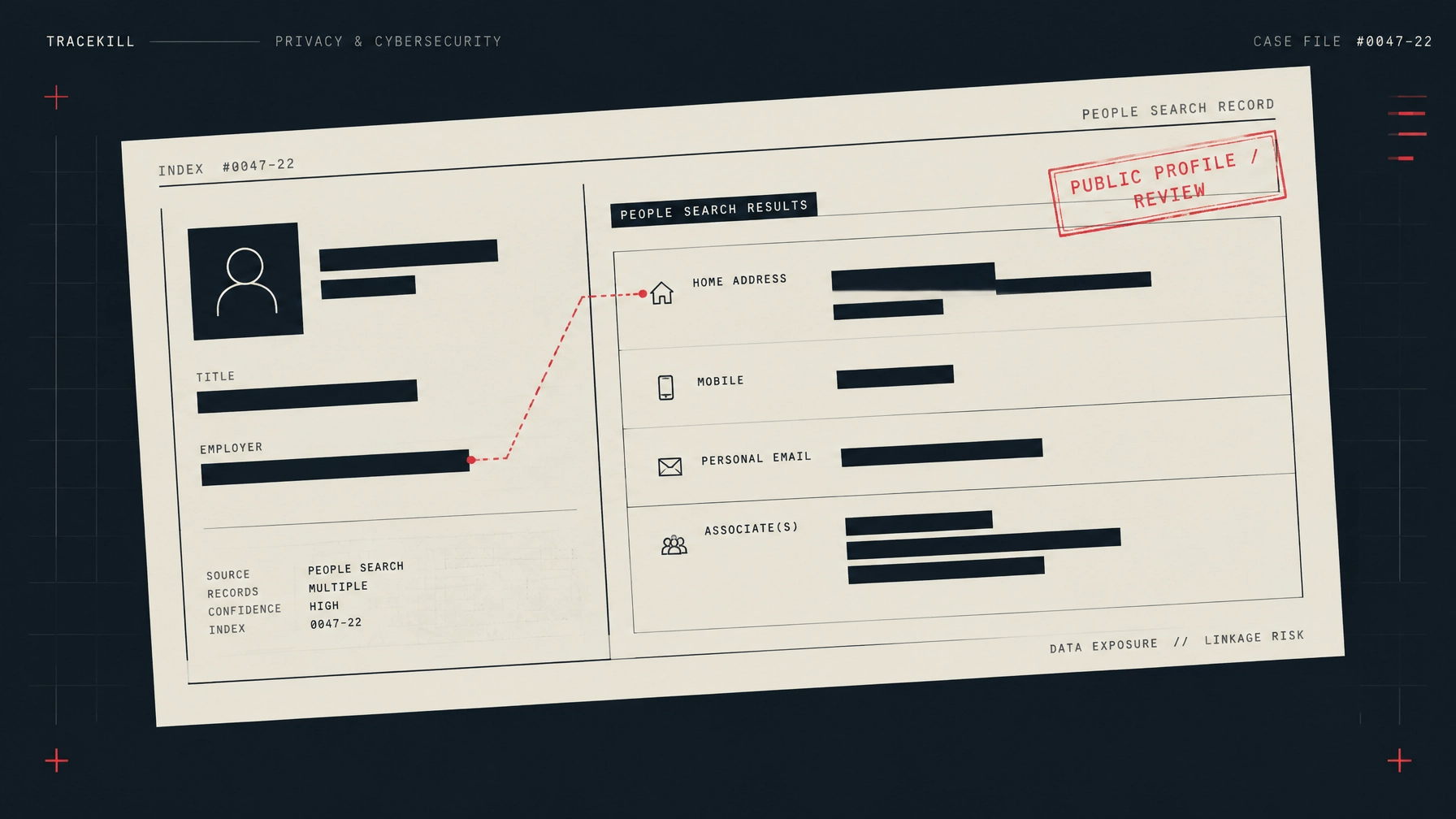
Could Your Job Make You Easier to Target? What Data Brokers Reveal About Professionals
A stranger may be able to start with your name, find your job title and employer, then connect that information to a home address or personal phone number. The details may be scattered across professional profiles, public records and people-search sites. Data brokers can bring some of them together. That does not mean every professional…
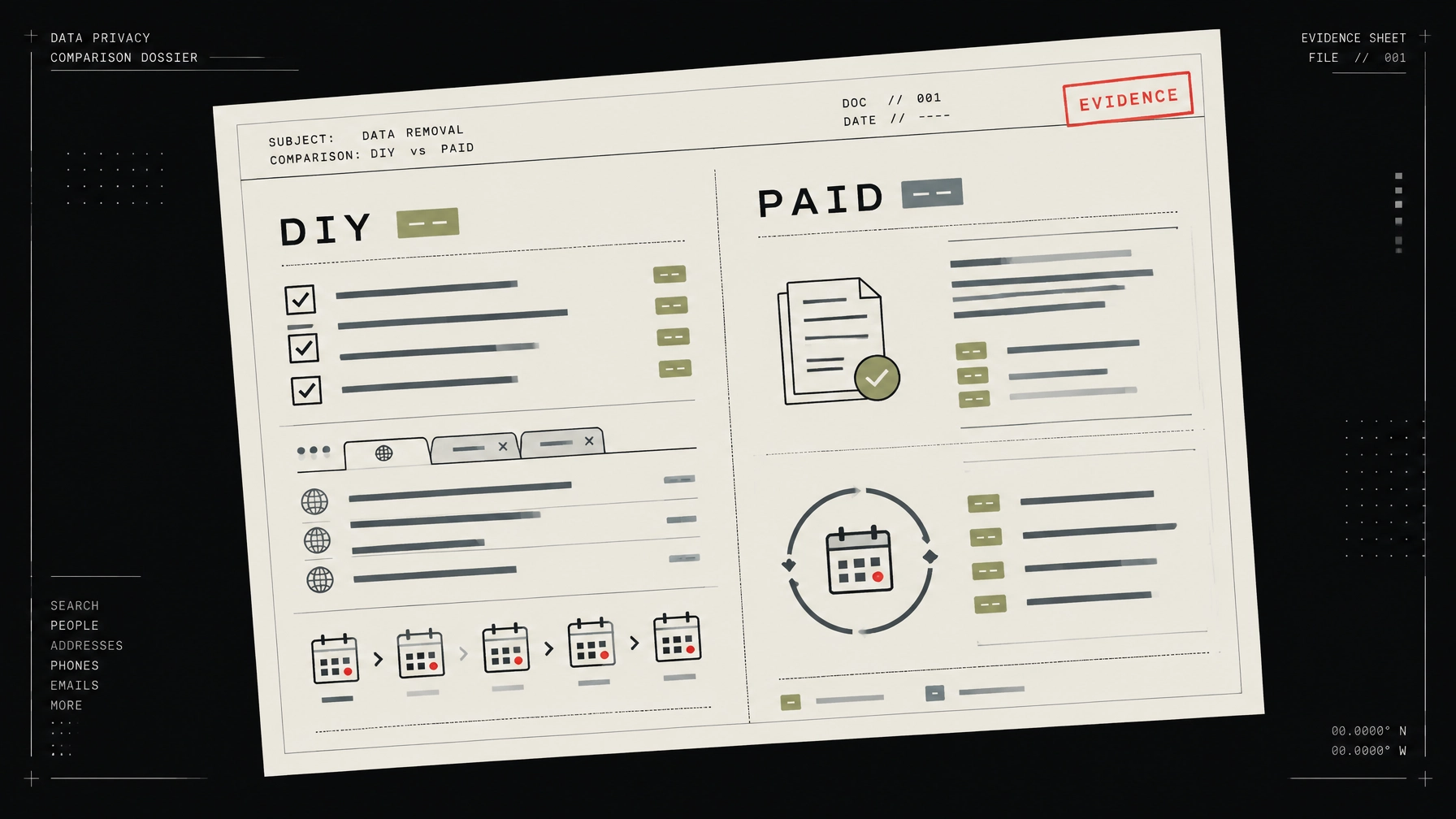
Is Paying to Remove Your Personal Information Online Actually Worth It?
Paying for data removal can be worth it if you want to save time or need help keeping up with repeated opt-outs. But it does not guarantee that every listing will disappear. You can also submit many requests yourself for free. The choice is less about whether one method works for everyone and more about…
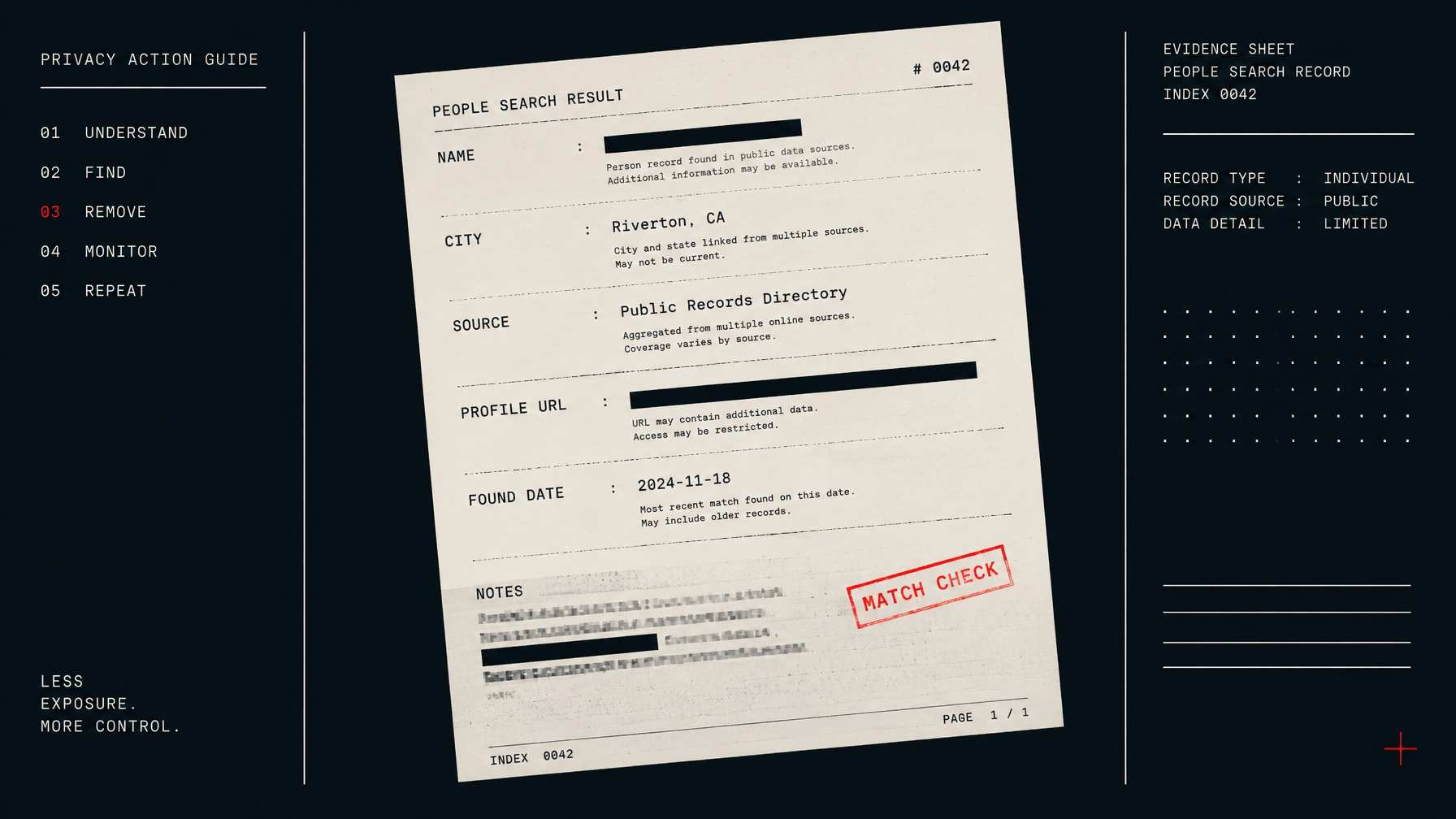
You Found Your Name on a Data Broker Website. Now What?
You searched your name, found a profile, and now you want to know what to do next. If you found your information on a data broker, start by checking that the listing is really yours. Then save its URL and date, follow that site’s opt-out steps, and keep a record of what you submitted. You…
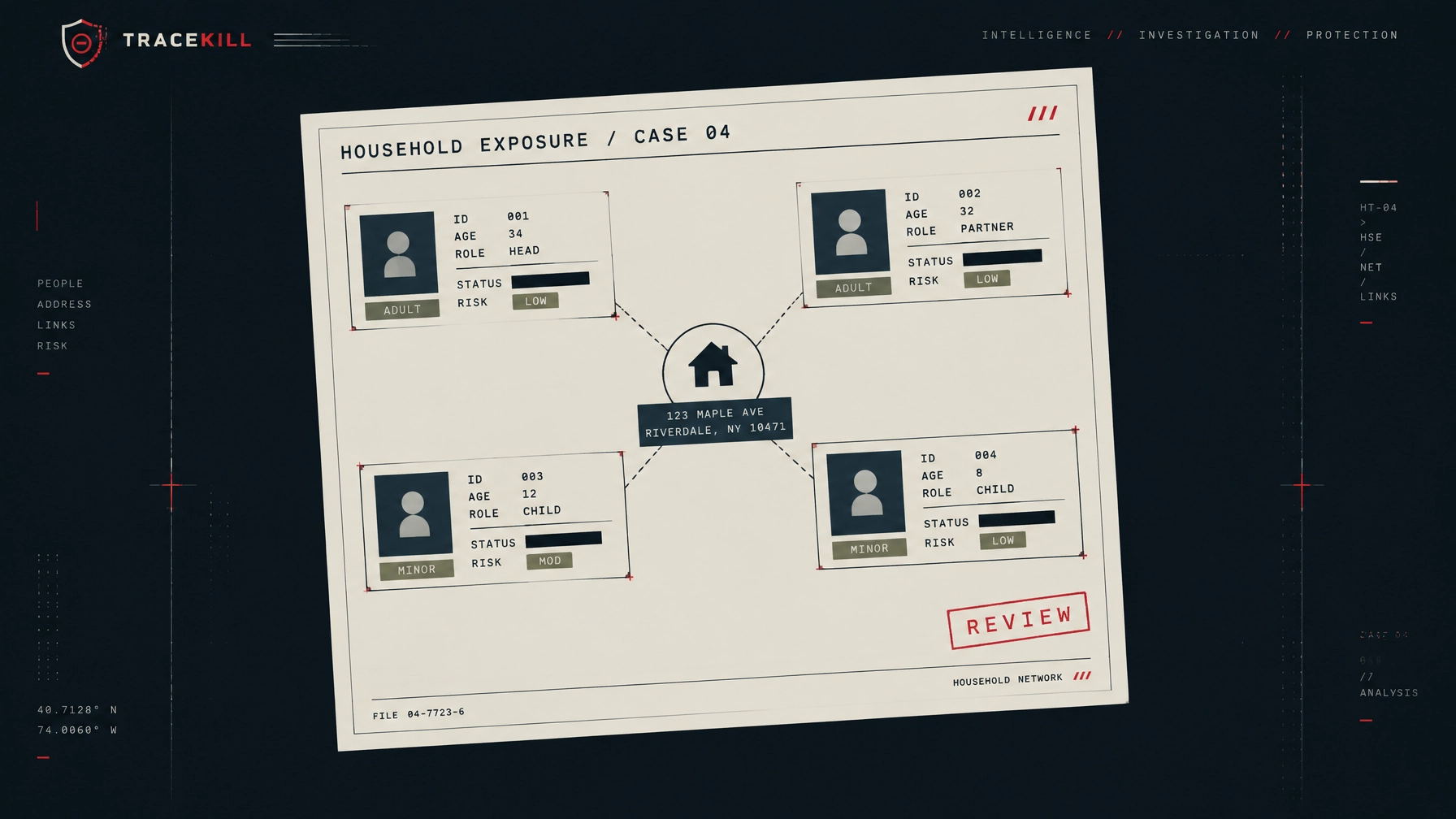
Your Information Is Online. What About Your Family’s?
You may already be checking where your own name and address appear online. But people-search profiles can also connect you to relatives, partners, and other people who share or have shared your address. Protecting your family’s personal information means checking those connections, too. You can start with practical steps: search for each adult family member,…
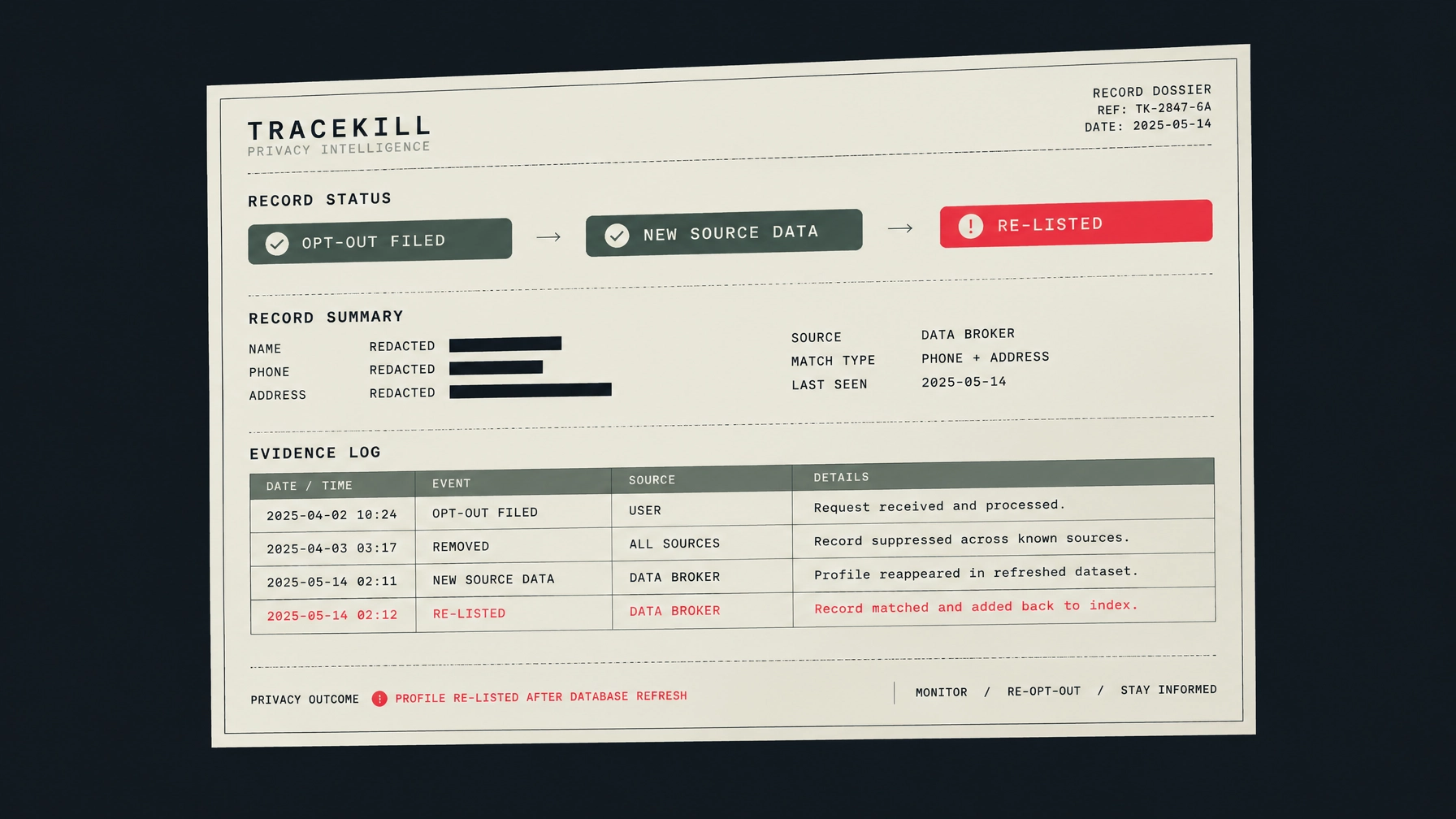
You Removed Your Personal Information. So Why Is It Back Online Again?
You submit an opt-out request, check back, and the listing is gone. Then months later, you search again, and find a profile that looks like yours. That does not always mean the first request failed. Data brokers update their databases, and a new or changed record can lead to a profile appearing again. An opt-out…
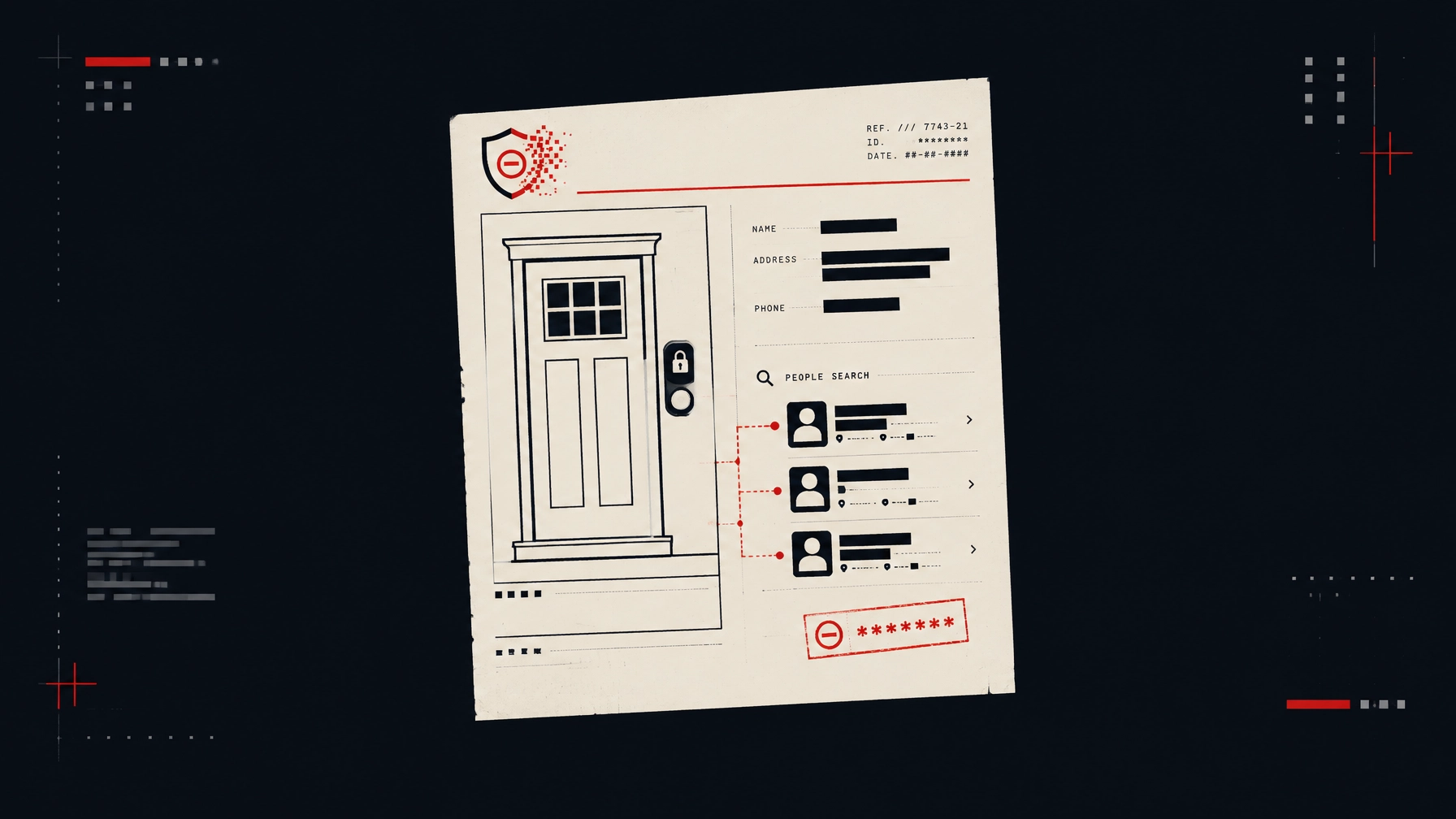
You Lock Your Front Door Every Night. But What About Your Digital Front Door?
1. You lock your front door. But is your digital door open? Before bed, you check the front door. Maybe you make sure a window is shut, too. It’s a simple routine that helps you feel your home is secure. Now imagine someone looking up your name online and finding a current or previous address,…
What If a Stranger Could Find Your Home in Just 5 Minutes? Your Personal Information Might Be Online.
1. Imagine a Stranger Finding Your Home Address in Minutes Can someone find my home address online? Sometimes, yes. Imagine a person searching your name and quickly seeing a current or previous address, phone number, or details about relatives. The exact results depend on what information is available and which sites they check. That possibility…
Think Your Home Address Is Private? Here’s How Easily Someone Could Find It Online.
You search your name and city. Among the results is a people-search profile that appears to show your current address, phone number, and the names of relatives. You didn’t post those details yourself, but someone may still be able to find them with a few searches. So, can someone find my address online? It depends…
Can Strangers Find Your Home Address Online? You Might Be Surprised.
It can take only a few details, such as your name and city, for someone to find a page that may show your home address. People-search sites compile information from different sources, and some make profiles available to anyone who looks. That does not mean every result is accurate, current, or easy to find. But…
Your Personal Information Is Everywhere Online. Here’s How to Take Back Your Privacy
It can feel as if your personal information is scattered across the internet with no clear way to bring it back under control. You may find an old address in a people-search profile, a phone number attached to a public account, or details from a past move appearing in search results. You can take practical…
How to Remove Personal Information From Google in 5 Simple Steps
If your home address, phone number, or other personal information appears in Google Search, you can ask Google to remove eligible results. That does not remove the information from the website hosting it, and nobody can literally erase all traces of themselves from the internet. The practical goal is to remove specific search results where…
How to Delete Yourself From the Internet (2026)
You can't literally erase yourself from the internet — anyone who promises that is selling you something. Here's what you can actually remove, for free, by hand, and what to expect when it comes back.